

Use Case
Water Leak Detection
Catch a leak while it's still a drip, not a flood.
Continuous, sensor-based monitoring of pipelines, pumps and fluid systems that flags abnormal pressure, flow and vibration early — with real-time alerts so your team acts before a small leak becomes an expensive one.
The problem
Undetected leaks are expensive, and they're hard to catch manually
Aging pipework, high-pressure systems and distributed fluid assets all raise the risk of a leak going unnoticed until there's visible water damage, a spiked utility bill, or a shut-down system.
Manual inspection rounds only catch what's visible at the moment someone walks past. A slow leak behind a wall, under a floor, or inside plant equipment can run for days before anyone notices.
Issue → solution
What leak detection actually fixes
The issue
A slow leak behind a wall or under a floor can run for days.
Hover to see the fix →
XiGiFy solution
Pressure, flow and vibration are tracked around the clock, so an anomaly surfaces while it's still small.
The issue
Manual inspection rounds only catch what's visible when someone walks past.
Hover to see the fix →
XiGiFy solution
Continuous monitoring covers the gaps between scheduled rounds.
The issue
By the time there's visible damage or a spiked bill, the cost is already incurred.
Hover to see the fix →
XiGiFy solution
SMS, email and in-app alerts go out the moment a likely leak is flagged.
The issue
A leak near critical equipment is a shutdown risk, not just a repair bill.
Hover to see the fix →
XiGiFy solution
Sensors are fitted where the risk is highest — risers, plant rooms, pump stations and server rooms.
The issue
Insurance and compliance reviews need proof of what happened and when.
Hover to see the fix →
XiGiFy solution
Every alert and the response to it is logged as a defensible audit trail.
How it works
From sensor to alert in real time
- Step 01
Sense
Sensors on pipelines, pumps and fluid systems continuously capture pressure, flow and vibration data.
- Pressure, flow and vibration captured around the clock
- Coverage between inspection rounds, where leaks develop
- Sits alongside existing SCADA and BMS
- Step 02
Detect
XiGiFy's analytics watch for the pressure drops, flow anomalies and vibration signatures that indicate a leak — not just a simple threshold breach.
- Gradual pressure drops and flow imbalances
- Pipe vibration changes that precede a leak
- A developing situation flagged, not just a limit crossed
- Step 03
XiGiFy Brain
Alert
The moment a likely leak is flagged, XiGiFy pushes an alert by SMS, email and in-app notification, with the event logged for audit and incident review.
- SMS, email and in-app notification
- Routing configurable by site and system
- Every alert time-stamped for audit and incident review
- Step 04
Act
Facilities and maintenance teams get a dashboard view of every connected site, so they can dispatch the right response before damage spreads.
- Every connected site on one dashboard
- Role-based view, acknowledge and resolve
- Responses logged for insurers and compliance reviews
Capabilities
What's included
Continuous pressure, flow & vibration monitoring
Tracked around the clock — not just during scheduled inspection rounds. The anomalies that indicate a developing leak (gradual pressure drop, flow imbalance, pipe vibration changes) only show up between visits, so continuous monitoring is what makes early detection possible.
Real-time multi-channel alerting
SMS, email and in-app notifications reach the right people the moment an anomaly is flagged — not after a human review cycle. Alert routing is configurable by site and system, so a high-risk zone in a data centre and a residential riser can go to different teams.
Anomaly detection above threshold-only alarms
Rather than triggering only when a single reading crosses a fixed limit, analytics watch for the pressure-drop patterns, flow signatures and vibration changes that precede a leak — flagging the developing situation, not just the moment it becomes unmistakeable.
Role-based access & alert management
Granular control over who can view, acknowledge and resolve alerts across sites and teams. Multi-site facilities can scope access to the buildings and systems each team is responsible for, rather than sharing a single undifferentiated alert stream.
Incident & audit logging
Every alert, acknowledgement and response is logged with a timestamp — building the defensible record that insurers, compliance reviews and post-incident investigations require. The log cannot be edited after the fact.
Existing-system integration
Designed to sit alongside SCADA and BMS infrastructure as an added monitoring and alerting layer, not a replacement. Existing infrastructure investment is preserved; XiGiFy adds the leak-specific intelligence and alerting on top.
Use cases
Where this fits
- Commercial and residential building risers, plant rooms and pump stations
- Industrial and municipal pipelines, pumping stations and booster systems
- Data centres and server rooms where a leak near equipment is a critical risk
Deployment
Integrations & rollout
Designed to sit alongside SCADA and building management platforms rather than replace them, so existing infrastructure investment is preserved.
Sensors are installed at the points that matter most (risers, plant rooms, pump stations); XiGiFy ingests telemetry in real time and applies anomaly detection continuously.
Deployed
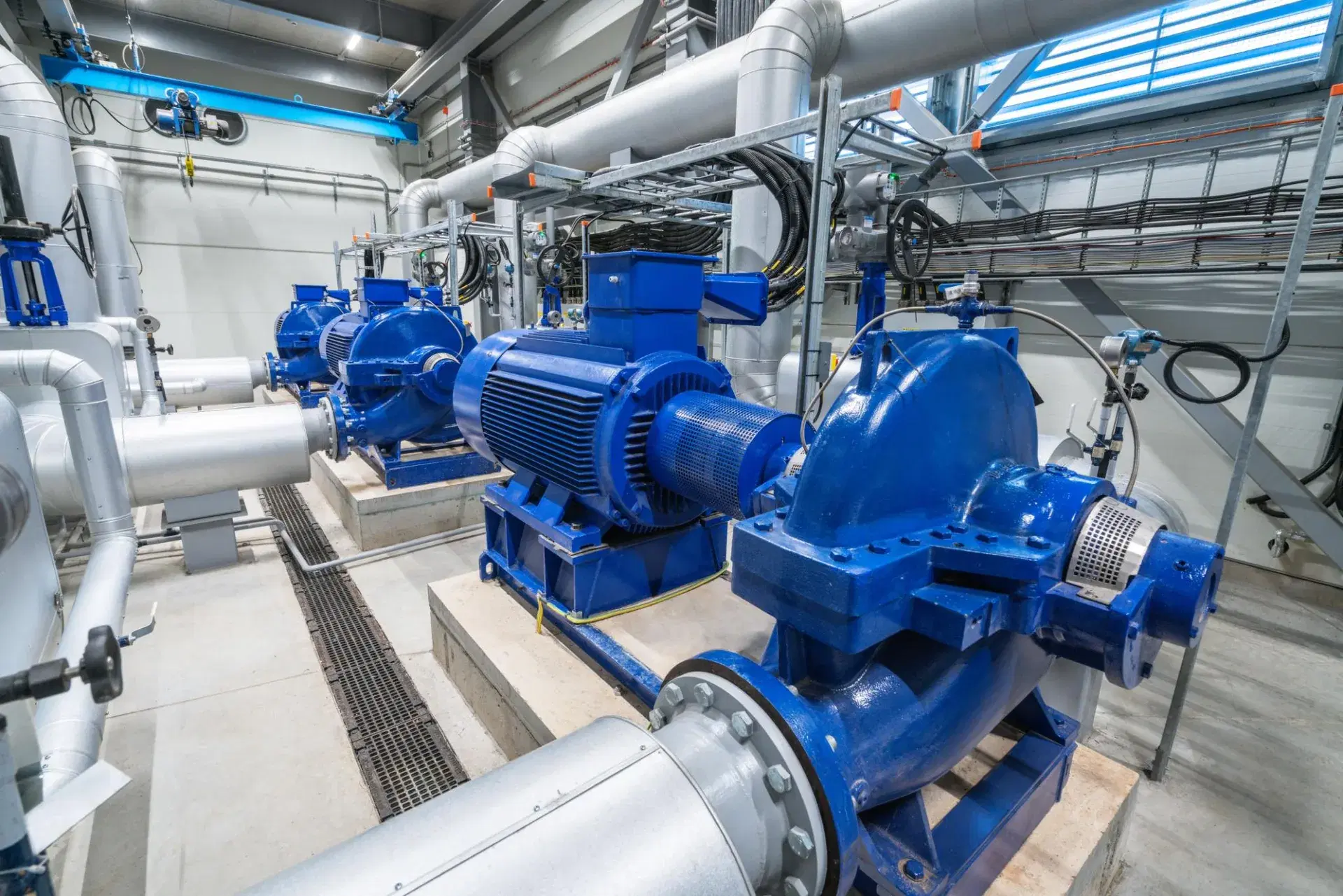
Water Leak Detection in the field
Relevant industries
Where this use case is commonly applied
FAQ
Questions about water leak detection
See water leak detection on your own sites.
Tell us what you want to monitor and we'll walk you through how it would work for your facilities.