

Use Case
Asset Monitoring & Predictive Maintenance
Know a machine is about to fail before it does.
Real-time monitoring of pumps, motors, compressors and other critical equipment — surfacing early fault signatures so maintenance happens on your schedule, not the machine's.
The problem
Reactive maintenance is expensive and unpredictable
Fixed maintenance schedules either service equipment that didn't need it yet, or miss a developing fault that fails between scheduled checks.
By the time a breakdown is obvious, you're usually looking at unplanned downtime, a rushed repair, and — in critical infrastructure — a safety risk.
Issue → solution
What asset monitoring actually fixes
The issue
Fixed maintenance schedules service equipment that didn't need it yet.
Hover to see the fix →
XiGiFy solution
Condition data decides when a machine needs attention, not the calendar.
The issue
A fault that develops between scheduled checks gets missed entirely.
Hover to see the fix →
XiGiFy solution
Vibration, temperature, current, speed and load are tracked continuously.
The issue
A threshold alarm only fires once the damage is already underway.
Hover to see the fix →
XiGiFy solution
Pattern-recognition analytics identify early fault signatures and wear trends before a breach.
The issue
With hundreds of assets, it's unclear which one to look at first.
Hover to see the fix →
XiGiFy solution
Assets are ranked by how their fault signature is developing.
The issue
Unplanned downtime means a rushed repair and, on critical infrastructure, a safety risk.
Hover to see the fix →
XiGiFy solution
Teams can plan an intervention before failure instead of responding to a breakdown.
How it works
From vibration data to a maintenance decision
- Step 01
Sense
Sensors capture vibration, temperature, current, speed and load data from pumps, motors, compressors, generators and other rotating equipment.
- Vibration, temperature, current, speed and load per asset
- Parameters read together, because a bearing fault shows in more than one
- Pumps, motors, compressors and generators
- Step 02
Detect
Pattern-recognition analytics trained on historical run data identify early fault signatures, wear patterns and degradation trends — not just an out-of-range alarm.
- Wear, imbalance and degradation signatures
- Caught before any single threshold is breached
- Similar faults across sites surface as a pattern
- Step 03
XiGiFy Brain
Prioritize
Maintenance teams see which assets need attention first, based on how the fault signature is developing.
- Assets ranked by how the fault is actually developing
- Remaining-useful-life indication from trending health data
- All equipment across every site in one view
- Step 04
Intervene
Teams can plan an intervention before failure, shifting from reactive to predictive maintenance.
- Work scheduled at the right time, not guessed at a walkthrough
- A maintenance task instead of an emergency repair
- Pump degradation seen alongside downstream pressure anomalies
Capabilities
What's included
Multi-parameter sensing
Vibration, temperature, current, speed and load measured simultaneously and continuously per asset. The combination matters — a bearing fault shows in vibration and temperature together, not in either parameter alone, and current draw shifts independently when rotor degradation begins.
Early fault detection
Pattern-recognition analytics identify developing wear, imbalance and degradation signatures well before any individual threshold is breached — the aim is to catch a fault while it is still a maintenance task, not an emergency repair or an unplanned shutdown.
Maintenance prioritization
Every connected asset is ranked by how its fault signature is actually developing — so maintenance attention goes to the machine that needs it most, not to the last machine serviced or the one with the most recent alert.
Remaining useful life visibility
Trending health data gives maintenance teams an indication of how much longer a machine is likely to run in its current condition, so an intervention can be scheduled at the right time rather than guessed at during a weekly walkthrough.
Multi-site fleet view
All connected equipment across every site in one view. A cluster of similar faults across different locations surfaces as a pattern rather than isolated incidents — relevant for operators running the same machine types across a portfolio.
Cross-solution integration
Combines with water monitoring and leak detection so a pump degrading and the downstream pressure anomaly it causes are visible together — rather than being reported separately by two systems that don't know about each other.
Use cases
Where this fits
- Industrial plants and manufacturing lines
- Water treatment and pumping stations
- Energy, utilities and oil & gas field equipment
Deployment
Integrations & rollout
Combines with XiGiFy's leak detection and water monitoring solutions for a unified infrastructure-health view.
Sensors are fitted to critical rotating equipment; XiGiFy's analytics run continuously against the resulting telemetry.
Deployed
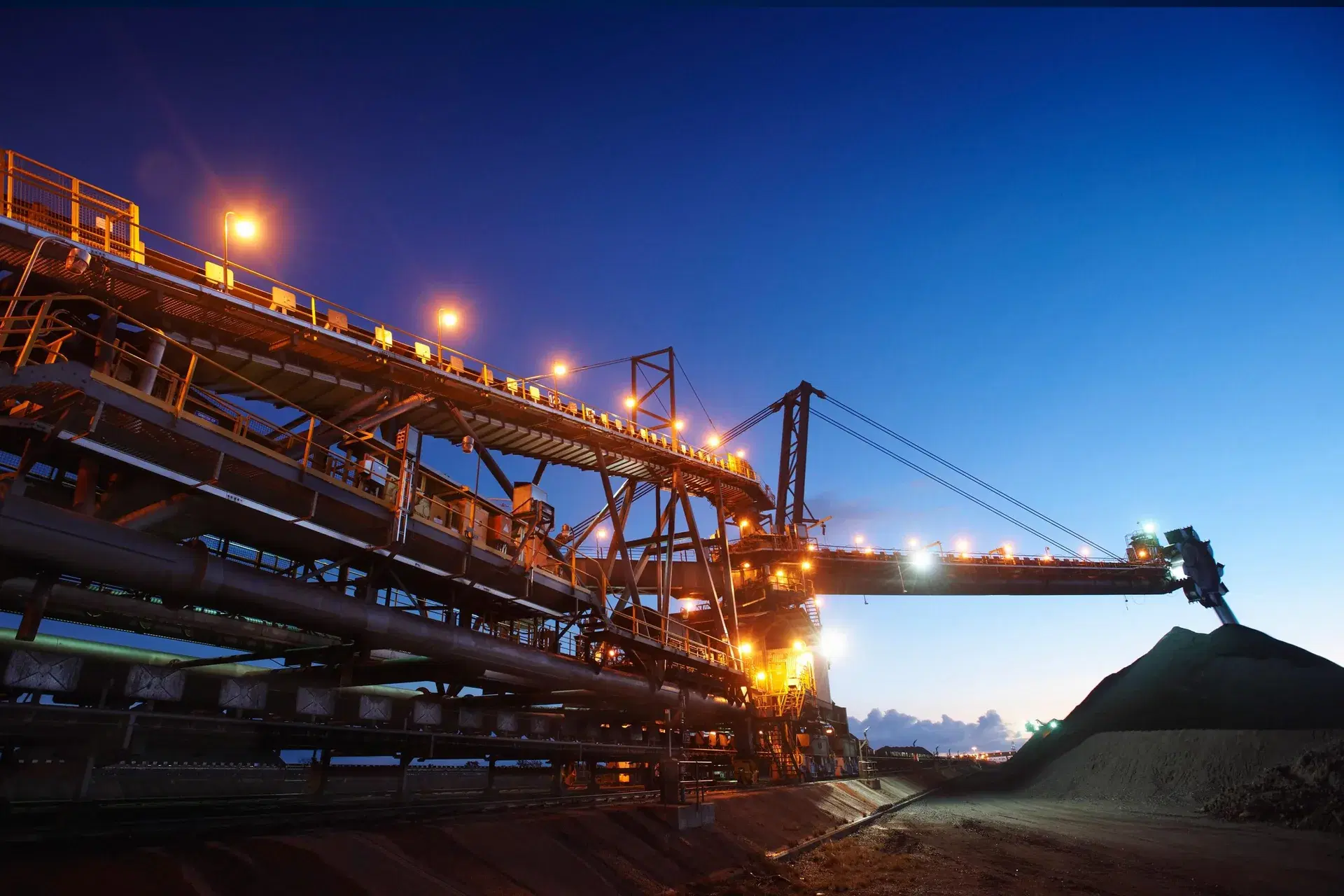
Asset Monitoring & Predictive Maintenance in the field
Relevant industries
Where this use case is commonly applied
FAQ
Questions about asset monitoring & predictive maintenance
See asset monitoring & predictive maintenance on your own sites.
Tell us what you want to monitor and we'll walk you through how it would work for your facilities.